A Beginner's Guide to Japanese Home Cooking
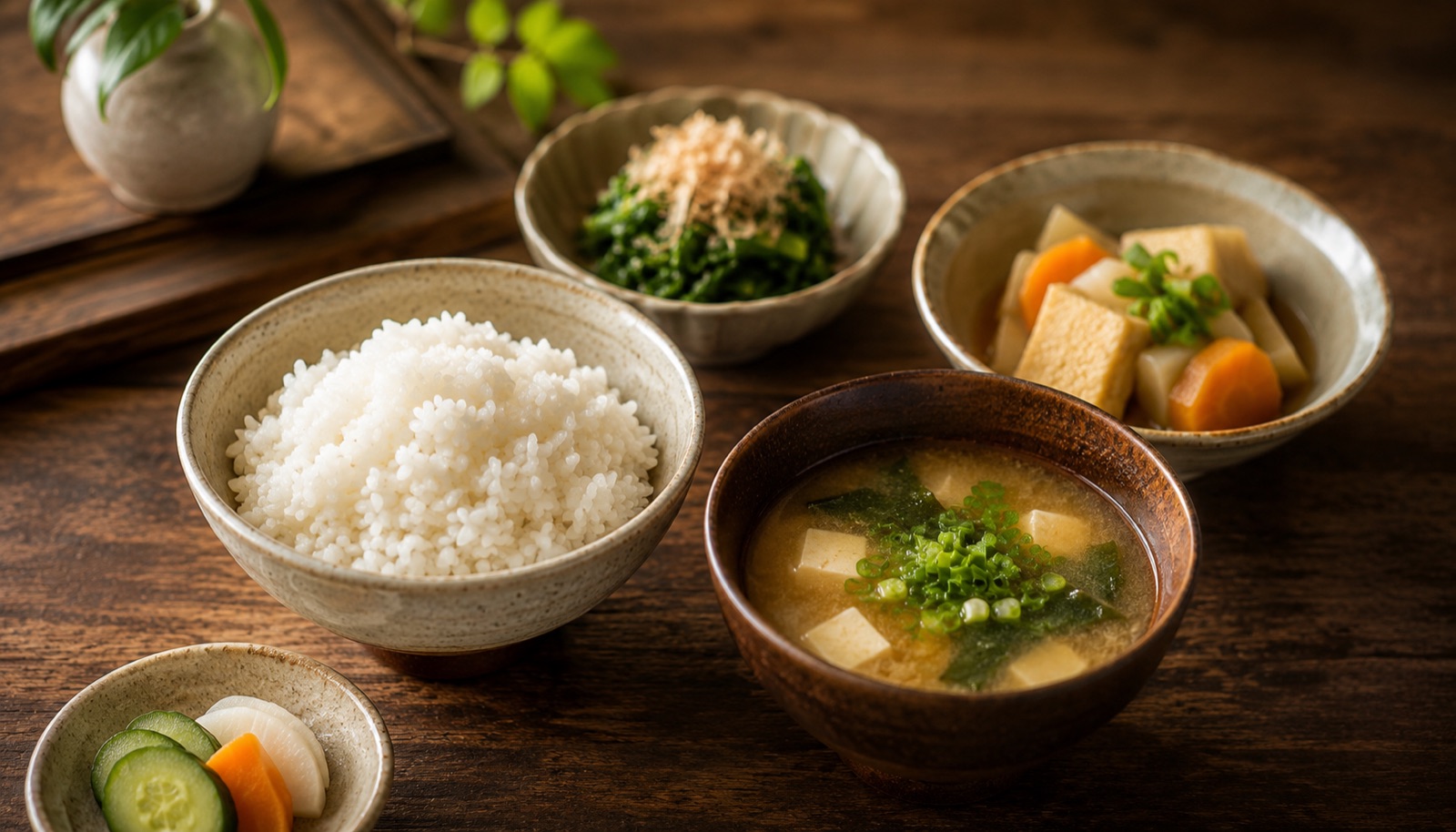
Restaurant Japanese food — sushi, ramen, tempura — is its own craft. Everyday Japanese home cooking is a different, gentler thing: rice, a soup, a couple of small dishes, built on a short list of seasonings that do most of the work for you.
This guide covers what defines that style, the pantry that unlocks it, and a few public creators who show it honestly — embedded below from their own posts.
What defines it
The backbone is a balance of five seasonings, often remembered in order: sugar, salt, vinegar, soy sauce, miso. Get the proportions right and the technique can be simple. Dashi — a quick stock of kombu and bonito — is the savoury base under most of it.
The pantry that unlocks it
You can cook most weeknight Japanese dishes with five things: soy sauce, mirin, rice vinegar, dashi, and short-grain rice. Add miso and toasted sesame oil and you’re covering almost everything.
A dish to start with
Oyakodon — chicken and egg over rice — is the ideal first cook: one pan, five minutes, and it teaches you the sweet-savoury soy-and-mirin balance that recurs everywhere else.
Where to go next: once the seasoning balance clicks, the same logic carries you to teriyaki, nikujaga, and simple simmered vegetables.
Frequently asked questions
What pantry items do I actually need to start?
Soy sauce, mirin, rice vinegar, dashi (or a dashi powder), and short-grain rice cover the vast majority of everyday recipes.
Is Japanese home cooking time-consuming?
Less than its reputation suggests. Many staples are one-pan or one-pot; the work is mostly in seasoning balance, not technique.